

Risiko.Landschaft.gestalten
Risiko.Landschaft.gestalten – post-disciplinary observations in the Anthropocene (05/2023 - 12/2024)
Project description
The Lusatia region serves as a paradigmatic example of the anthropogenic transformation of landscapes as resource suppliers for industry and energy production.
Today, the depleted and desiccated industrial landscapes, with their shrinking cities, abandoned villages, ageing population, and increasing water scarcity, more than ever raise fundamental questions of the Anthropocene: Does massive human intervention signify the decline of our species—something we must now accept but can hardly reverse?
In short: societal development through technical and landscape interventions is being called into question. It appears here as the beginning of the end. The restoration of the former lignite-mining landscapes promises a lake landscape of recreation for both humans and nature, but leaves behind water scarcity, acidic lakes, emptied cities, and shifting, unstable terrains.
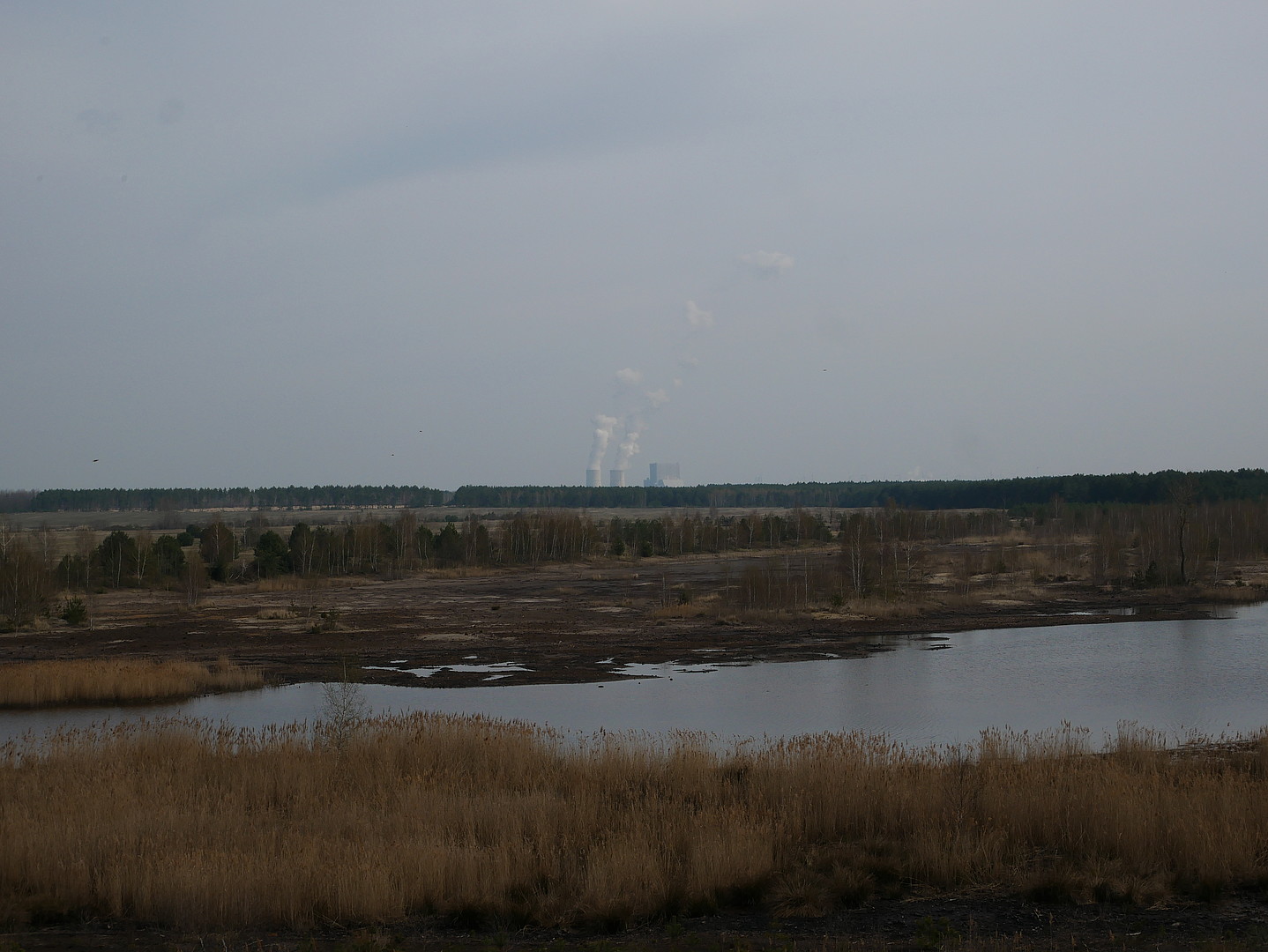
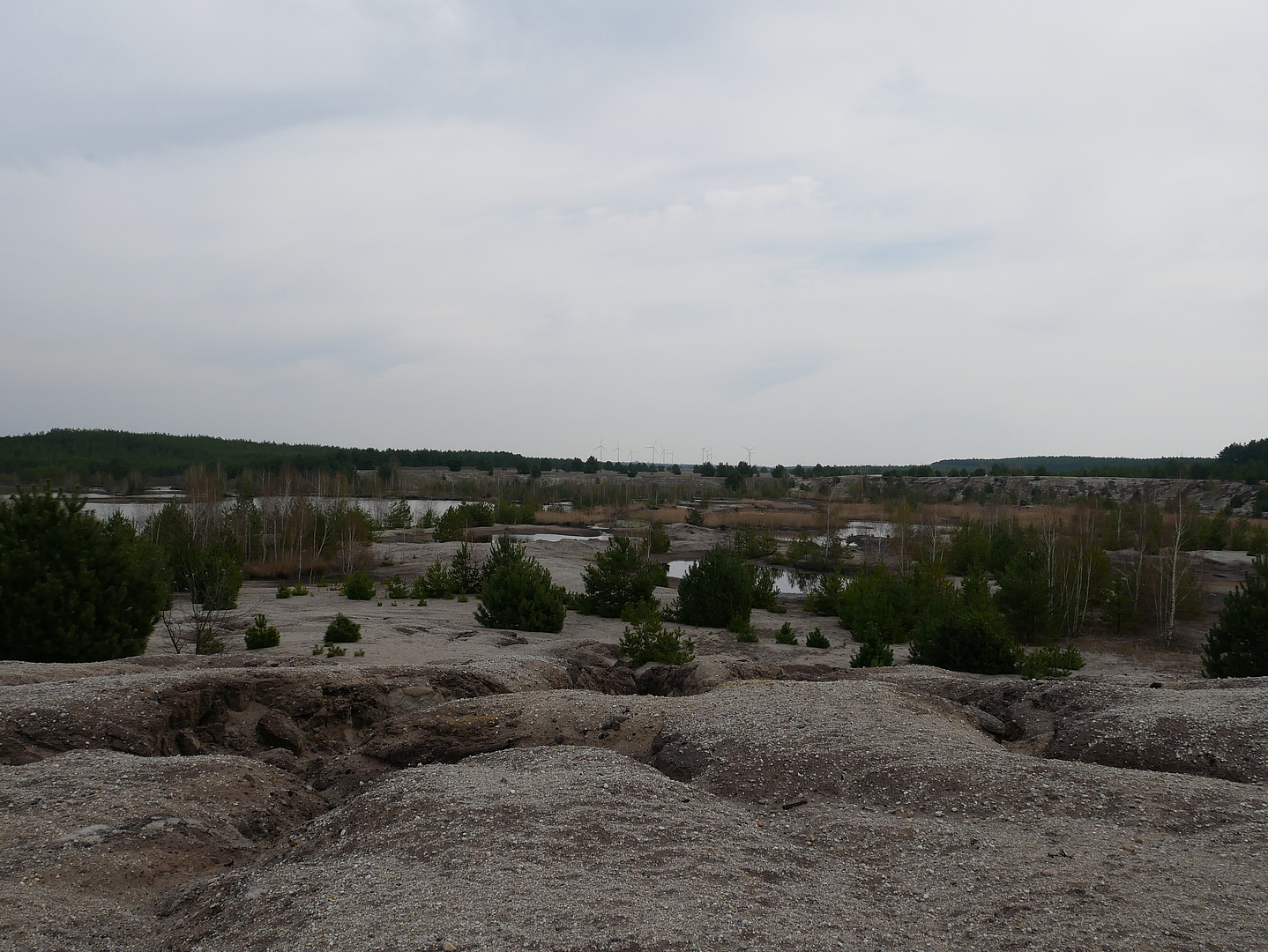
Risk landscapes are not left to their own devices, rather, they are embedded in a juridified structure of responsibility involving compensation measures, nature conservation and research, tourism and the private sector, as well as mining-related regulatory risk requirements. Put more forcefully: they express a form of societal interdisciplinarity that addresses the question of how “livable regions” are understood and constructed.
Interest in the (social-)scientific engagement with the Anthropocene—i.e. the impact of humans on their existential foundations—has increased significantly in recent years. This ranges from calls for a “human ecology” (Manemann 2014) to appeals for a “multi-paradigmatic sociology in the face of existential problems” (Scheffer and Schmidt 2019). Attempts to describe interdisciplinarity as a way out of widespread uncertainty regarding global warming and climate change are manifold. This shift is the focus of the present project. Despite disciplinary certainties that the catastrophe has already occurred, the capacities in the present to avoid a simple “business as usual” remain underdeveloped.
The research project explores inter- and transdisciplinary partnerships and, together with the artist collective recherchepraxis, develops an approach that opens up scientific questions to practice-based research, participation, and artistic interventions for landscape research, using post-lignite landscapes as an example.
Project funding
The project is funded by the Saxon State Ministry for Science, Culture and Tourism (SMWK).
This measure is co-financed with public tax funds based on the budget adopted by the members of the Saxon State Parliament.

Contact

2. Obergeschoss